Best Scalp Care Tips to Reduce Hair Fall Naturally
Hair fall is a common concern that affects millions of people around the world, cutting across age, gender, and lifestyle. While genetics, hormones, and medical conditions can influence hair loss, many people experience hair fall due to scalp issues, dryness, poor nourishment, stress, or incorrect hair care practices. The good news is that with consistent and natural scalp care habits, you can significantly reduce hair fall and promote stronger, healthier hair over time. This article explores effective, science-backed natural tips to improve scalp health and minimize hair fall the right way.
Understanding Scalp Health and Hair Fall
The scalp is the foundation for healthy hair growth. Each hair strand grows from a follicle embedded in the scalp, and when the scalp is unhealthy—dry, irritated, inflamed, or clogged with oil and dead skin cells—hair growth can be stunted and fall accelerated. Proper scalp care improves circulation, nourishes follicles, balances the scalp’s natural oils, and creates an environment where hair can thrive rather than stall.
1. Scalp Massage: Boost Circulation and Strengthen Roots
One of the most effective natural techniques for reducing hair fall is regular scalp massage. Scientific studies have shown that massaging the scalp increases blood flow to hair follicles and may improve scalp health and hair thickness over time. Using your fingertips, gently massage the scalp in circular motions for around 5–10 minutes, two to three times a week. This helps bring nutrients directly to the hair roots, reducing shedding and encouraging stronger growth.
To enhance the benefits, you can blend the massage with warm natural oils—such as coconut, almond, or argan oil—which provide additional nourishment and moisture to both scalp and hair.
2. Nourishing Oils to Strengthen Hair and Support Growth
Traditional and modern hair care practices alike rely on natural oils for scalp and hair nourishment. Oils not only moisturize the scalp but also help strengthen hair shafts and improve elasticity. Popular and effective natural oils include:
-
Coconut Oil: A staple in many traditional hair care routines, coconut oil deeply penetrates the hair shaft, reduces protein loss, and prevents breakage. It also helps keep the scalp hydrated and healthy.
-
Castor Oil: Rich in ricinoleic acid, castor oil can stimulate blood circulation to the follicles, which aids in stronger hair growth. It’s often used mixed with lighter oils for easier application.
-
Argan Oil: High in vitamin E, fatty acids, and antioxidants, argan oil nourishes the scalp, soothes irritation, and adds shine. Applying a few drops to the scalp during a massage can improve overall scalp condition.
-
Onion Oil: Onion oil contains sulphur, which supports collagen production and blood circulation. This can help strengthen the hair follicles and reduce hair breakage.
When applying oils, consider gently warming them before use, then massage thoroughly and leave on for at least one hour or overnight before washing for maximum benefit.
3. Cleanse Without Stripping: Mild Shampoo and Routine Washing
Keeping the scalp clean is essential, but over-washing or using harsh shampoos can strip natural oils and leave scalp dry and irritated. A balanced hair cleansing routine involves:
-
Washing hair 2–3 times a week depending on your hair type and oiliness.
-
Choosing mild, sulfate-free shampoos that cleanse without removing essential natural scalp oils.
-
Using lukewarm water instead of hot water to preserve natural moisture.
This approach helps maintain the scalp’s natural protective barrier, preventing dryness and breakage.
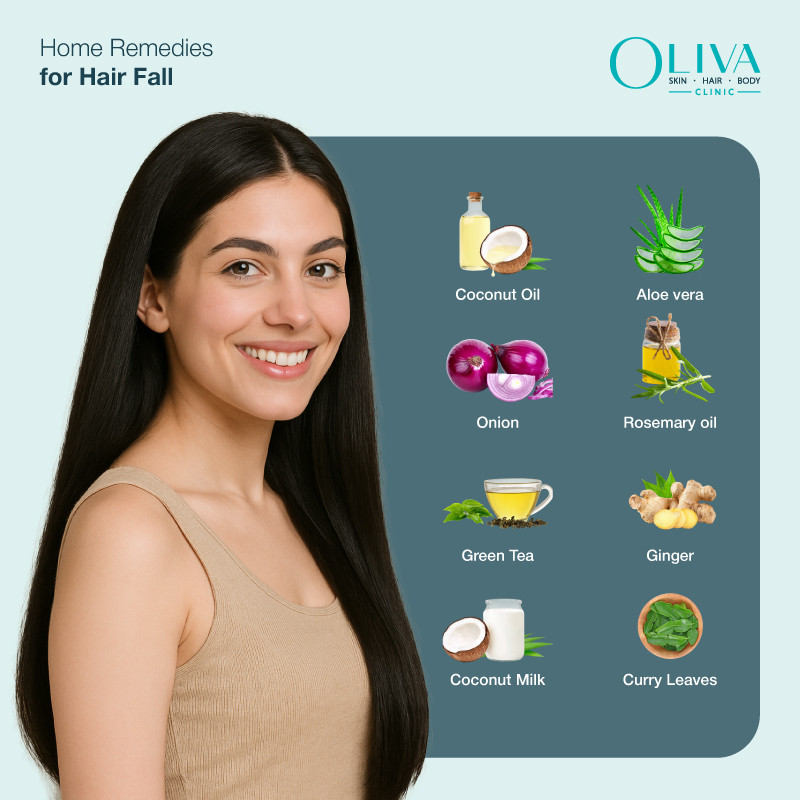
4. Natural Remedies: Household Ingredients with Proven Benefits
Certain natural ingredients have stood the test of time for their ability to support scalp health and reduce hair fall. These remedies can be incorporated into weekly hair care routines:
-
Onion Juice: Rich in sulphur, freshly extracted onion juice improves blood flow to hair follicles and encourages hair regrowth. Apply it to the scalp, leave for about 30 minutes, and rinse thoroughly.
-
Aloe Vera Gel: Aloe vera is known for its soothing, anti-inflammatory properties. Its enzymes help calm an irritated scalp, reduce dandruff, balance pH levels, and unclog hair follicles.
-
Fenugreek (Methi) Paste: Fenugreek seeds contain proteins and nicotinic acid, which strengthen hair and help repair damage. Soak seeds overnight, grind into a paste, and apply to the scalp for about 45 minutes before washing.
-
Green Tea Rinse: Green tea contains antioxidants like EGCG that may stimulate hair follicles and reduce hair fall. Brew and cool green tea, then use it as a final rinse after shampooing.
These natural remedies are effective when used consistently and can be integrated seamlessly into regular hair care routines.
5. Healthy Diet: Nourishment from Within
External treatments alone are not enough; a balanced diet plays a key role in hair health. Hair is primarily made of protein, and deficiencies in macronutrients (protein) and micronutrients (iron, zinc, biotin, vitamin C, omega-3 fatty acids) can weaken hair and accelerate fall.
Support healthy hair growth by including:
-
Protein-rich foods such as eggs, lentils, dairy, nuts, and seeds.
-
Iron and zinc sources like leafy greens, spinach, and whole grains.
-
Vitamin C-rich items like amla (Indian gooseberry) and citrus fruits to boost collagen production.
Hydration is equally important—drinking enough water ensures the scalp stays moisturized from within and that toxins are eliminated naturally.
6. Stress Management: Emotional Well-Being Affects Hair Health
Stress is a known trigger for increased hair fall because it can disrupt the hair growth cycle and accelerate the shedding phase. Incorporating stress-reduction practices into your routine can have a direct impact on scalp and hair health.
Some effective methods include:
-
Yoga and meditation
-
Mindful breathing exercises
-
Regular physical activity
-
Adequate sleep (7–8 hours per night)
Relaxation not only improves overall health but also supports hormonal balance, which is crucial for maintaining healthy hair.
7. Gentle Hair Care Practices to Prevent Damage
How you treat your hair daily matters just as much as the products you use. Gentle practices help minimize breakage and unnecessary strain on the scalp:
-
Avoid tight hairstyles that pull excessively on the hair.
-
Use a wide-tooth comb to detangle hair, especially when wet.
-
Minimize heat styling tools like blow dryers and straighteners, and always use a heat protectant when necessary.
These habits protect the hair shaft and roots, reducing damage-related fall.
8. Consistency Is Key
Natural hair care and scalp health improvement do not happen overnight. Consistency is key. Whether it’s a weekly oil massage, a natural hair mask, or regular dietary improvements, sticking with your routine steadily will produce visible results over time. Keep a simple hair care schedule, stay patient, and observe improvements in scalp health and hair strength.
Conclusion
Reducing hair fall naturally is a holistic process that involves attentive scalp care, nourishing oils and natural remedies, proper cleansing without over-washing, a balanced diet, stress management, and gentle daily hair care habits. By adopting a consistent and thoughtful routine rooted in natural practices, you can create an optimal environment for healthy hair growth and significantly reduce hair fall. Always remember that healthy hair starts with a healthy scalp—nourish it with care, patience, and the right techniques.
lovezg.net lovezg.net lovezg.net lovezg.net lovezg.net lovezg.net lovezg.net lovezg.net lovezg.net lovezg.net lovezg.net lovezg.net lovezg.net lovezg.net lovezg.net lovezg.net lovezg.net lovezg.net lovezg.net lovezg.net lovezg.net lovezg.net lovezg.net lovezg.net lovezg.net lovezg.net lovezg.net lovezg.net lovezg.net lovezg.net lovezg.net lovezg.net lovezg.net lovezg.net lovezg.net lovezg.net lovezg.net lovezg.net lovezg.net lovezg.net lovezg.net lovezg.net lovezg.net lovezg.net lovezg.net lovezg.net lovezg.net lovezg.net lovezg.net lovezg.net lovezg.net lovezg.net lovezg.net lovezg.net lovezg.net lovezg.net lovezg.net lovezg.net lovezg.net lovezg.net lovezg.net lovezg.net lovezg.net lovezg.net lovezg.net lovezg.net lovezg.net lovezg.net lovezg.net lovezg.net lovezg.net lovezg.net lovezg.net lovezg.net lovezg.net lovezg.net lovezg.net lovezg.net lovezg.net lovezg.net lovezg.net lovezg.net lovezg.net lovezg.net lovezg.net lovezg.net lovezg.net lovezg.net lovezg.net lovezg.net lovezg.net lovezg.net lovezg.net lovezg.net lovezg.net lovezg.net lovezg.net lovezg.net lovezg.net lovezg.net lovezg.net lovezg.net lovezg.net lovezg.net lovezg.net lovezg.net lovezg.net lovezg.net lovezg.net lovezg.net lovezg.net lovezg.net lovezg.net lovezg.net lovezg.net lovezg.net lovezg.net lovezg.net lovezg.net lovezg.net lovezg.net lovezg.net lovezg.net lovezg.net lovezg.net lovezg.net lovezg.net lovezg.net lovezg.net lovezg.net lovezg.net lovezg.net lovezg.net lovezg.net lovezg.net lovezg.net lovezg.net lovezg.net lovezg.net lovezg.net lovezg.net lovezg.net lovezg.net lovezg.net lovezg.net lovezg.net lovezg.net lovezg.net lovezg.net lovezg.net lovezg.net lovezg.net lovezg.net lovezg.net lovezg.net lovezg.net lovezg.net lovezg.net lovezg.net lovezg.net lovezg.net lovezg.net lovezg.net lovezg.net lovezg.net lovezg.net lovezg.net

Comments
Post a Comment